 Health
  Find a
  Book an
 Dyspnea (Shortness of Breath): Causes, Symptoms, & Treatment
July 23, 2025
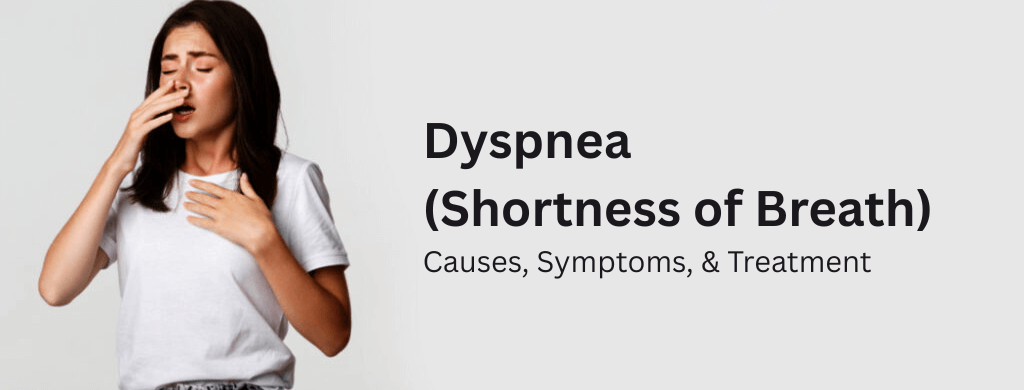
Shortness of breath, or dyspnea, is a condition in which breathing becomes difficult and is accompanied by chest tightness, wheezing, coughing, or palpitations in the heart. Doctors use a scale to determine how severe your shortness of breath is because conditions ranging from anxiety to asthma can cause it.
If this symptom comes on suddenly and severely, you should go to the emergency room (ER) right away.
What is Dyspnea?
Shortness of breath is termed dyspnea. It is best described as a feeling of gasping for air. Excessive physical activity can cause dyspnea in anyone, and medical conditions such as heart or lung illness, obesity, or worry can also cause it.
Even unpleasant at times, dyspnea is an uncomfortable condition. If experiencing frequent bouts of abrupt, acute, or intermittent dyspnea, immediate medical attention is advisable, which will determine what is causing the same.
Chronic and Acute Dyspnea
The duration and onset of acute and chronic dyspnea are not the same. Their causes differ.
- Chronic dyspnea: Breathlessness lasting several weeks or longer, or recurring, is known as chronic dyspnea. Chronic dyspnea is a symptom of persistent medical disorders such as COPD (chronic obstructive pulmonary disease), heart failure, and asthma.
Dyspnea may also be a constant side effect of insufficient activity since your muscles are attempting to pull in more oxygen.
- Acute dyspnea: This condition usually flares up within hours or days. It can also come on suddenly. Acute dyspnea may be triggered by allergies, anxiety, physical exertion, or infections like the flu or common cold. It can also result from more serious conditions such as a heart attack, pulmonary embolism, or sudden airway constriction due to anaphylaxis.
Symptoms
Excessive exertion, prolonged exposure to high elevations, or a combination of medical factors might cause dyspnea. Additionally, it may be acute, occurring all at once and leaving you feeling scared or overwhelmed. The severity of each case varies.
Dyspnea symptoms that a person may be experiencing include:
- Breathlessness following physical effort
- Breathing difficulties
- Chest tightness
- Quick shallow breathing
- Sensations of suffocation or smothering
- Palpitations in the heart, wheezing, and coughing
Sudden onset of dyspnea or severe symptoms could indicate a dangerous medical issue.
Causes
Dyspnea can result from a variety of circumstances. It is most frequently caused by:
- Anxiety-related disorders
- Asthma
- An embolism, or a blood clot in the lungs
- Rib fractures
- Adequate fluid surrounding the heart
- Choking
- A collapsed lung
- Heart attacks
- Heart failure
- Issues with heart rhythm
- Anemia, or a low red blood cell count
- Other respiratory illnesses, such as pneumonia
- Pregnancy
- Anaphylaxis: A severe allergic reaction
- Sudden blood loss
The following are a few more typical reasons for chronic dyspnea:
- The fluid surrounding the lungs
- Asthma
- Inability to exercise without becoming fatigued
- Chronic obstructive pulmonary disease (COPD), which includes emphysema
- Heart illness, especially congestive heart failure
- Sarcoidosis: A group of inflammatory cells in the body
- Tissue inflammation surrounding the heart
- Increased pressure in the lung blood vessels
- Cardiomyopathy, or enlarged, thick, or stiff heart muscle
- Obesity
- Lung scarring
- Dyspnea can also be caused by other conditions, such as tuberculosis and lung cancer
Risk Factors
Shortness of breath is normal during intense physical activity, but if it happens at rest or unexpectedly, it may indicate a serious medical condition. Common risk factors and associated conditions for dyspnea include:
- Heart disease
- Respiratory infections or pneumonia
- Lung cancer or other cancers
- Long-term lung diseases such as emphysema or chronic bronchitis
- Asthma
- Allergies
- Acid reflux
- Obesity
Complications
Dyspnea can lead to hypoxia or hypoxemia, which means low oxygen levels in the blood. This may cause decreased consciousness and other serious health issues.
Repeated episodes of low oxygen can increase the risk of temporary or permanent cognitive impairment.
Prevention
Dyspnea sufferers can take steps to enhance their general well-being and increase their breathing capacity.
Among them are:
- Giving up smoking.
- Take time to adjust to higher altitudes.
- Exercising to strengthen the cardiovascular and pulmonary systems.
- Avoiding other environmental triggers, including chemical odors and wood smoke.
Treatment
Dyspnea treatment centers on breathing assistance and preserving appropriate oxygen saturation levels during life-threatening circumstances. A face mask or nasal cannula (silicone prongs in the nostrils) may be necessary for further oxygen therapy. Mechanical ventilation could be required in severe situations. To do this, a breathing apparatus must be attached to the patient.
Treatment for dyspnea deals with the underlying reason after the oxygen levels are steady.
Other possible treatments are:
- Medication
- Oxygen therapy
- Pulmonary rehabilitation
- Lifestyle changes
- Surgery
Conclusion
Breathlessness or restricted breathing is a common feeling experienced by exercisers. It usually goes away on its own and is harmless.
Dyspnea during exercise, however, may indicate a systemic, cardiac, or respiratory ailment in certain individuals, many of which call for urgent medical intervention.
When dyspnea during exertion is abrupt, acute, inexplicable, or if it is accompanied by one of the more serious symptoms mentioned above, it is imperative to see a physician.
When Should I Seek Medical Support
If you have severe dyspnea or find it difficult to carry out your daily activities, see a healthcare professional. At times, dyspnea may indicate a serious medical condition requiring prompt attention.
Inquire with your healthcare practitioner about any additional therapies available if you experience frequent dyspnea due to an underlying medical condition.
Frequently Asked Questions
1. What distinguishes dyspnea from breathlessness?
Breathlessness and dyspnea are synonymous. The medical word for the sensation of not being able to breathe enough is dyspnea.
2. Is dyspnea common during pregnancy?
Dyspnea is a frequent pregnancy symptom. It is common to feel mild dyspnea during pregnancy as your body adjusts to being pregnant. To rule out any significant medical disorders, you should seek emergency medical assistance if experiencing chest pain, severe or prolonged shortness of breath, or any other alarming symptoms.
3. What is the difference between paroxysmal nocturnal dyspnea (PND) and sighing dyspnea?
Paroxysmal nocturnal dyspnea (PND) is the sudden sensation of shortness of breath that occurs one to two hours after falling asleep. Sighing dyspnea refers to frequent sighing or deep breaths taken in an attempt to ease the feeling of breathlessness.