 Health
  Find a
  Book an
 Blood Sugar Levels: Normal, High & Low
June 30, 2025
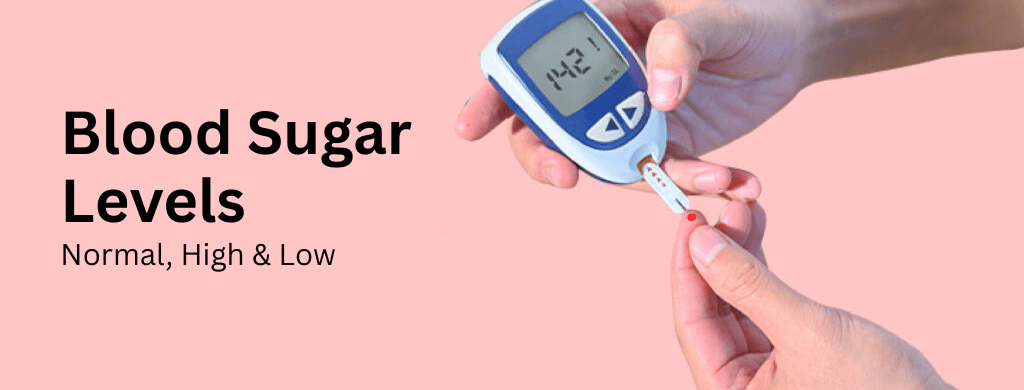
Maintaining normal blood sugar levels is crucial for overall health, and deviations from this level can lead to serious health problems. A dangerous blood sugar level occurs when there is either too much (hyperglycemia) or too little (hypoglycemia) glucose in the blood.
What is Blood Sugar?
Blood sugar, or glucose, is the body’s key fuel derived from digesting carbohydrates in the food we consume. It is produced when carbohydrates from the food we eat are digested. It’s produced when carbohydrates from food are broken down during digestion.
Upon entering the bloodstream, glucose is utilized by every cell in the body as an energy source for various cellular processes.
It is impossible to overstate how important blood sugar is to the body. The brain, muscles, and other organs require glucose energy to function correctly. It is also necessary to maintain the body’s overall homeostasis, a delicate balance that supports stability and the best possible health throughout our internal environment.
What is Diabetes?
Diabetes is a disorder that makes the body’s natural ability to control glucose levels difficult or impossible. Insufficient insulin synthesis or insufficient insulin available for the body to utilise characterises a diabetic. When the hormone insulin is present, the body can utilize glucose as fuel more readily. When insulin levels are insufficient, glucose accumulates in the bloodstream and can damage various tissues and organs.
When there’s not enough insulin, glucose can build up in the bloodstream and harm organs and other body tissues. Understanding the recommended blood sugar levels for various age groups is essential for this, as lifestyle changes are required due to the fact that blood sugar levels can fluctuate depending on a number of factors, including what and when you eat.
Normal Range of Blood Sugar Levels for Adults
Millimoles per liter (mmol/L) or milligrams per deciliter (mg/dL) are common units of measurement for blood sugar levels. While different nations may use different units, an easy formula can be used to convert them quickly (1 mmol/L = 18 mg/dL). The amount of glucose in the blood is known to fluctuate during the day and at night. Our body maintains steady blood glucose levels for metabolic processes. Sugar levels in a healthy body are typically less than 100 mg/dL. But occasionally, a variety of circumstances can lead to an increase or decrease in these blood sugar levels. Healthy blood glucose levels can be maintained, but abnormally high or low blood glucose levels are signs of illnesses that need to be treated.
Although glucose levels in the blood can differ from person to person, the following broad focus on ranges should be considered:
For those without diabetes:
- Blood sugar levels with fasting: 70–100 mg/dL (3.9–5.6 mmol/L)
- Blood sugar at random: 125 mg/dL (6.9 mmol/L) or less
For those with diabetes:
- Blood sugar levels with fasting: 80–130 mg/dL (4.4–7.2 mmol/L)
- Blood sugar at random: < 180 mg/dL (10 mmol/L)
For pregnant women:
- Blood sugar levels after fasting: 70 – 89 mg/dl (3.9 – 5.5 mmol/L)
Fasting blood sugar tests, usually carried out in the morning before breakfast, measure blood sugar levels eight hours after the last meal. On the other hand, there is no need for a person to fast before taking a non-fasting blood sugar test.
Normal Blood Sugar Levels in Children
The range of 90 to 180 mg/dL is considered healthy blood sugar levels in children. If a child’s blood sugar is between 90 and 180 mg/dL, that is alarming and needs to be checked by a doctor.
Types of Blood Sugar Levels
There are two main blood sugar levels to be concerned about:
High Blood Sugar: Another word for high blood sugar is hyperglycemia. Hyperglycemia is defined as abnormally high blood glucose levels that are higher than the usual range, regardless of the presence of diabetes. When the body either produces too little insulin or when cells respond to it incorrectly, blood glucose builds up.
Low Blood Sugar: Another word for low blood sugar is hypoglycemia. Blood glucose levels that are abnormally low and fall below what is regarded as normal for a person with or without diabetes are referred to as hypoglycemia. It typically occurs when the body’s need for energy and the amount of glucose in the blood are out of balance.
Dangers of Hyperglycemia (High Blood Sugar)
Hyperglycemia, or high blood sugar, can contribute to the development of serious conditions such as diabetes, stroke, and heart disease. Levels of blood sugar that are seriously high, more than 180 mg/dL, call for medical attention. Insulin deficiency or improper insulin use triggers this condition, also referred to as hyperglycemia.
The following are a few typical signs of elevated blood sugar:
- Feeling tired
- Feeling extreme thirst
- Urinating a lot
- Dizziness and trouble focusing
- Hazed vision
- Sudden reduction in weight
Untreated hyperglycemia can result in diabetic ketoacidosis, a potentially fatal condition. In addition, it may result in liver diseases, kidney-related issues, and heart problems. The average level of high blood sugar is 180–250 mg/dL. Those with a blood pressure higher than 250 mg/dL need to see a doctor right away.
Dangers of Hypoglycemia (Low Blood Sugar)
Low blood sugar, referred to as hypoglycemia, occurs when blood glucose drops under 70 mg/dL and may pose serious risks if not addressed. Emergency medical attention must be provided if the values are less than 50 mg/dL.
Some common indicators of a low sugar state are as follows:
- Feeling confused and dizzy
- The sensation of trembling in the hands, limbs, or body
- Lightheadedness
- Anxiety, along with restless behavior
- Feeling cold and perspiring
- Accelerated heartbeats
When Should I Visit a Doctor?
If any or all of the following symptoms continue, it’s time for you to visit your physician. The following are signs of high blood sugar that could indicate a problem:
- Hazy vision
- Unknown reduction in weight
- Dry mouth and dehydration
- It takes time for wounds to heal.
- Persistent urge to urinate
Conclusion
In conclusion, maintaining active blood sugar regulation is critical to your general well-being and standard of living. By remaining within your comfort zone, you can feel your best and achieve all of your life’s goals.
Frequently Asked Questions
1. Is it dangerous to have blood sugar between 400 and 500 mg/dL?
Indeed, blood sugar levels between 400 and 500 mg/dL are thought to be extremely dangerous and call for emergency care. These elevated readings point to severe hyperglycemia, which could be fatal.
2. Is high blood sugar something that can be avoided?
You can avoid high blood sugar by keeping an eye on your levels and taking readings on a regular basis. Blood sugar regulation is also aided by maintaining an active lifestyle and a balanced diet.