 Health
  Find a
  Book an
 Throat Infection: Symptoms, Causes and Treatment
January 29, 2026
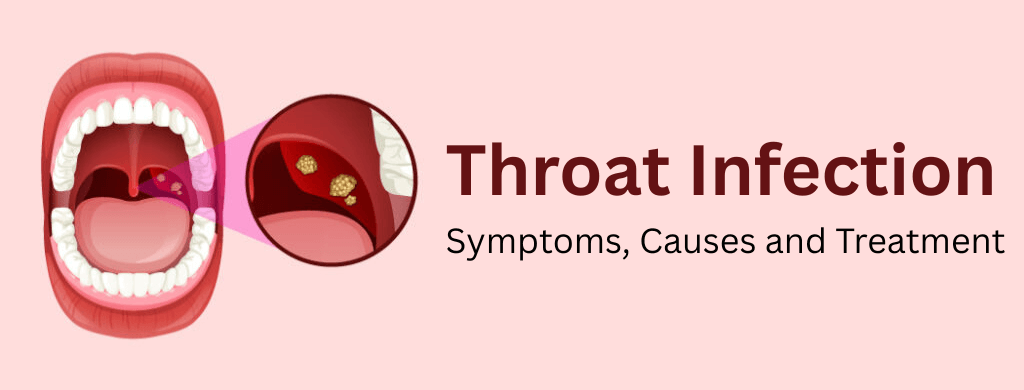
Throat infections, also known as pharyngitis, occur when bacteria or viruses cause inflammation in the throat. Inflammation of the throat’s tissues results in redness, discomfort, and swelling of the structures. Food is sent to the oesophagus and air is transported to the windpipe through the throat, or pharynx. Nasal or oral routes can be used to assess a throat infection. While bacteria can also cause some of these infections, viruses account for the majority of them. Streptococcal bacteria bring on the infamous and excruciating ailment known as strep throat.
Pain and a feeling of heat in the throat are the most typical symptoms of a throat infection. The tonsils, in particular, may be impacted, among other throat structures. Symptoms can range in intensity and may involve fever, cough, nasal congestion, and flu-like signs like body aches. Additionally, enlarged lymph nodes in the neck are a possibility. Certain medical professionals may make a tonsillitis diagnosis if the infection is limited to the tonsils.
Types
A throat infection can be categorised into three types
- Viral Pharyngitis: The most frequent infectious cause of a sore throat is a viral infection of the throat, often called viral pharyngitis. Inflammation is triggered by it, and it could potentially cause cold symptoms.
- Tonsillitis: Tonsillitis is a severe form of pharyngitis that can be brought on by either a viral or bacterial infection. Pain, redness, swelling, and a buildup of pus or debris in the tonsils are all signs of tonsillitis.
- Strep/Bacterial Pharyngitis: Bacterial infections are not a common cause of throat infections. However, group A Streptococcus bacteria are responsible for the majority of these bacterial infections, and the painful throat that results from them is usually referred to as “strep throat.” A pus-filled tonsil or throat is a common sign of bacterial pharyngitis.
Symptoms
Symptoms of different types of throat infections are frequently identical. Among them are:
- Soreness throughout the body
- Expelling mucus that may appear clear, yellow, green, or light brown through coughing
- Trouble swallowing
- Sore throat or congestion
- Swollen lymph nodes or tonsils
- Fever and chills
- White or pus-covered tonsils
- Hoarseness
- Nasal congestion
Not all symptoms may appear, as they often differ depending on how serious the infection is and what’s causing it.” Each of these symptoms has the potential to get worse occasionally.
Causes
Viral illnesses like the common cold or flu are the leading causes of throat infections. The following illnesses or problems may be indicated by sore throats:
- Bacterial Infection: Bacterial conditions like strep throat or sinus infections can also lead to a throat infection.
- Allergies: Another major cause of throat infection is allergies. The throat might get scratchy and dry due to an allergic reaction to mold, dust mites, pollen, or pets. Throat infections from post-nasal drip or the dropping of nasal mucus down the back of the throat are caused by allergies. The throat becomes painful and irritated due to the mucus.
- Tonsillitis: Tonsils are two small masses of soft tissue located at the back of the throat, and they become inflamed in cases of tonsillitis. The pathogenic microbes are captured by them. The result of an infected and inflamed tonsil is tonsillitis, which can be caused by both bacteria and viruses.
- Acid Reflux: Patients suffering from gastroesophageal reflux disorder (GERD) experience throat pain and burning, which can mimic prime symptoms of throat infection. Acid reflux from the stomach causes this sensation, known as heartburn, when it backs up into your oesophagus.
- Viruses: A virus is responsible for 80% of instances of throat infection. These kinds of viruses are usually spread by direct physical touch or by coughing, sneezing, or through communication.
Risk Factors
Some people are more likely to develop a throat infection due to certain habits, health conditions, or surroundings.
- Tobacco smoke: Smoking or breathing in secondhand smoke irritates the throat and makes it easier for infections to develop.
- Allergies: Ongoing allergies can cause throat irritation and mucus buildup, which increase the chance of infection.
- Chemical exposure: Air pollution, strong fumes, and household cleaners can inflame the throat and weaken its natural protection.
- Frequent sinus infections: Mucus draining from the nose into the throat can cause irritation and help germs grow.
- Crowded places: Infections spread more easily in places like schools, offices, and public transport where many people gather.
- Low immunity: A weak immune system makes it harder to fight germs. Illnesses like diabetes, poor diet, stress, lack of sleep, or certain medicines can lower immunity.
Is Sore Throat a Symptom of Cancer?
A persistent sore throat that doesn’t respond to treatment may occasionally indicate throat cancer. That said, most sore throats are caused by much less serious things, like a cold or a mild infection. If you’re ever unsure, it’s always a good idea to try home remedies first. If it doesn’t work, it is better to consult a doctor.
Proven Home Remedies to Relieve a Sore Throat Naturally
1. Gargling with Salt Water
Salt water is a home remedy that kills sore throat-causing bacteria at a fast rate. It also helps loosen mucus and ease discomfort. Combine warm water with half a teaspoon of salt and use it as a gargle to relieve throat irritation.
2. Using Honey
Honey has natural antibacterial and anti-inflammatory properties. It not only relieves throat pain but also helps suppress coughing. Add two tablespoons of honey to warm tea or water for a comforting drink. Don’t give honey to babies under one year old.
3. Drinking Chamomile Tea
For generations, chamomile tea has been valued for its gentle relief of sore throats and other cold symptoms. It may also support your immune system, helping your body fight off infections more effectively.
4. Trying Hot Sauce
Although it may sound unusual, hot sauce can relieve throat pain due to the capsaicin in peppers. This compound has natural anti-inflammatory and pain-relieving effects. Mix a few drops into warm water and gargle to help reduce discomfort. Expect a brief, burning sensation initially.
5. Getting Proper Rest
Rest is crucial for recovery. Aim to go to bed early and avoid straining your voice. To reduce pressure and swelling in your throat, try keeping your head elevated with pillows or sitting upright if lying flat increases discomfort.
6. Using a Humidifier
A dry environment can aggravate throat irritation. A humidifier adds moisture to the air, which helps keep your throat from drying out. For extra relief, you can add a small amount of VapoRub or hydrogen peroxide solution to the humidifier.
7. Boosting Immunity with Lemon
Lemon helps clear mucus and reduce pain. It’s also packed with vitamin C, which supports immune health. Squeeze a teaspoon of lemon juice into warm water for an easy and natural throat relief solution.
8. Using Peppermint
Peppermint has antibacterial and antiviral properties and contains menthol, which soothes sore throats and helps clear mucus. Sip on peppermint tea or create a throat spray by blending food-grade peppermint oil with a carrier such as coconut or olive oil.
9. Eating Chicken Soup
Chicken soup is a classic remedy known for offering both hydration and essential nutrients. It may help reduce inflammation by slowing the activity of certain immune cells. While effectiveness may vary depending on the recipe, it remains a comforting and beneficial option.
Remedies for Babies and Young Children with Sore Throats
- Use a Cool Mist Humidifier: Place a cool mist humidifier in your child’s room to keep the air moist and reduce throat irritation.
- Keep Them Hydrated: Make sure your child stays well-hydrated by drinking ample fluids.
- Avoid Choking Hazards: Do not give hard lozenges or tablets to children under five. Even older kids should use throat lozenges under supervision.
- Don’t Give Honey to Infants: Infants under one year should not be given honey, as it can lead to infant botulism.
Over-the-Counter Treatment Options
When treated promptly, most throat infections can be cured or resolved on their own over time.
A throat culture will be prescribed if the physician determines a throat infection. This will be used by your doctor to determine the source of your infection. The line of treatment will consist of:
- Antibiotics: A bacterial illness is treated primarily with antibiotic therapy, which is also quite successful. Adhering strictly to the treatment plan and taking all prescribed drugs on time will help prevent reinfection or recurrence.
- Pain Relievers: In addition to reducing inflammation or temperature, pain medications can help relieve discomfort. They are available in liquid, lozenge, or spray form.
- Antiviral Medicines for Specific Viruses: Antiviral drug treatment may be beneficial for certain viral causes of throat infections.
- Surgery: An infection of the throat that has spread to the tonsils is called tonsillitis. Surgery to remove the tonsils is one way to treat tonsillitis.
- Environmental Alterations: By altering their surroundings, people with viral throat infections may find that their symptoms subside. These include limiting exposure to cigarette smoke.
Prevention
Throat infections are often caused by viruses and bacteria that spread easily from person to person. While you cannot prevent every infection, you can lower your risk by following healthy habits.
- Wash Hands Often: Clean your hands regularly with soap and water for at least 20 seconds. Wash them before eating, after using the toilet, and after coughing or sneezing. If soap is not available, use an alcohol-based hand sanitizer.
- Avoid Touching Your Face: Germs enter the body through the eyes, nose, and mouth. Try not to touch your face with unwashed hands.
- Do Not Share Personal Items: Avoid sharing food, drinks, water bottles, spoons, forks, or glasses. Germs can spread easily through shared items.
- Cover Coughs and Sneezes: Use a tissue or your elbow to cover your mouth and nose when you cough or sneeze. Throw used tissues in a closed bin and wash your hands right away.
- Stay Away from Sick People: Keep distance from people who have colds, flu, or other throat infections. If you are sick, stay home to prevent spreading germs to others.
- Keep Surroundings Clean: Regularly clean items that are touched often, such as phones, door handles, keyboards, and remote controls. This helps remove germs from surfaces.
- Stay Up to Date with Vaccines: Vaccines for illnesses like flu and COVID-19 can lower the chance of infections that may lead to a sore throat.
Frequently Asked Questions
1. When should I see a doctor if I have a throat infection?
See your doctor if you have a fever over 101°F (38.3°C) for more than two days, trouble sleeping due to symptoms, a red rash, or white spots on your tonsils or throat. It’s also important to seek medical advice if your throat symptoms keep coming back, even after treatment.
2. How do I avoid a throat infection?
To help prevent throat infections, practice good hygiene by washing your hands regularly and keeping your distance from people who are sick.