 Health
  Find a
  Book an
 Hives (Urticaria): Causes, Treatments, and Prevention Tips
January 30, 2026
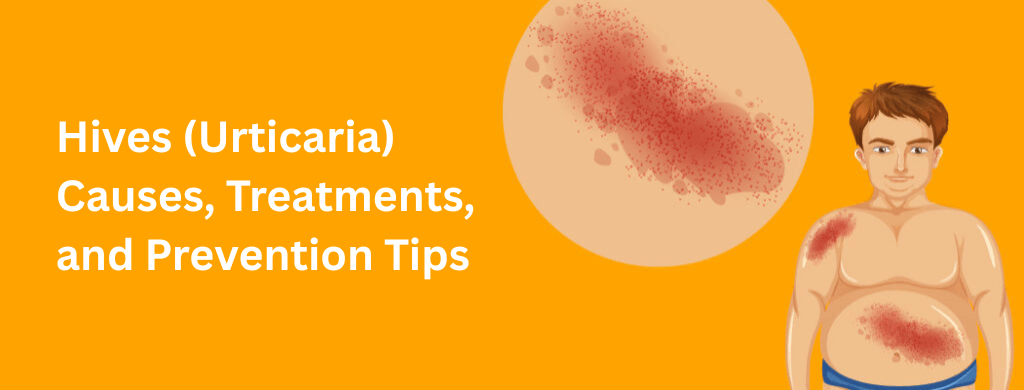
Hives, or urticaria, are skin reactions that cause itchiness and can develop as swollen, bumpy areas on the surface of the skin. Medications and natural treatments can frequently quickly and effectively treat hives.
Extremely itchy, discolored, raised skin lesions are known as hives or Urticaria. On the body, they can appear everywhere. Hives may develop due to a range of triggers, including allergic reactions and non-allergic factors.
Hives can be quite uncomfortable, but several methods are available to treat, soothe, and get rid of them effectively.
Types
Hives (urticaria) are mainly divided into two types based on how long they last.
1. Acute Hives
Acute hives last less than six weeks. They often appear suddenly and go away within a short time.
Common causes include:
- Allergic reactions to foods, food additives, medicines, or insect bites and stings
- Nonallergic causes such as infections, certain medicines, pressure on the skin, or cold
In many cases, the exact cause of acute hives cannot be found.
2. Chronic Hives
Chronic hives last more than six weeks and may occur often during that period. They can continue for months or even years and sometimes disappear on their own.
The causes can be similar to those of acute hives. However, in most cases, no clear trigger is identified. Some chronic hives may be linked to an autoimmune reaction, where the body’s defense system reacts by mistake. Hidden triggers, such as preservatives or medicines in food, can also play a role.
Who is at Risk?
Hives are more likely to occur in those known to have allergies. If you are on medicine or unknowingly come into contact with substances to which you may be allergic, such as food or pollen, you may also be at risk of developing hives. In addition, you may be more prone to getting hives if you already have an illness or a medical condition.
Symptoms
Hives cause raised, swollen marks on the skin called welts or wheals. These marks can appear anywhere on the body.
Common Skin Symptoms
- Raised bumps or patches that may be red, purple, or skin-colored
- Itching, which can sometimes be strong
- A stinging or burning feeling in some cases
- Welts that may be small like mosquito bites or large enough to cover wide areas
- Small welts can join together to form bigger swollen patches
When you press the center of a red hive, it may turn white for a moment. This is normal.
Causes
Hives happen when the body releases a chemical called histamine into the bloodstream. Histamine causes itching, redness, and raised skin welts. The thing that leads to this reaction is called a trigger.
In many people, the exact trigger is never found.
1. Allergic Causes
Some hives happen because of an allergic reaction. This occurs when the immune system overreacts to something that is usually harmless.
Common allergy triggers include:
- Foods such as eggs, peanuts, tree nuts, milk, and shellfish
- Medicines like antibiotics, aspirin, ibuprofen, and naproxen
- Insect stings or bites
- Latex or certain materials
- Plants, pollen, and pet dander
- Skin contact with soaps, detergents, lotions, fragrances, or acidic foods
In rare cases, severe allergic reactions can cause swelling of the mouth or throat, vomiting, and trouble breathing. This is a medical emergency.
2. Infections
Infections are a common cause of hives, especially in children.
These include:
- Viral infections like the common cold
- Bacterial infections such as strep throat or urinary tract infections (UTIs)
- Other viral illnesses like hepatitis or mononucleosis
Hives that last for several days are usually not caused by food allergies. In children, hives often appear along with a cold or stomach infection.
3. Physical Triggers
Certain physical factors can bring on hives, even without an allergy.
These include:
- Cold air or cold water
- Heat or sunlight
- Pressure on the skin from tight clothes or scratching
- Exercise or sweating
- Vibration from activities like lawn mowing or biking
Hives from physical triggers can appear soon after exposure.
4. Medical Conditions
Some health problems can lead to hives, especially long-lasting (chronic) hives.
These include:
- Autoimmune disorders, where the immune system attacks the body by mistake
- Thyroid disease
- Other long-term illnesses
Sometimes medicines can cause hives directly, even without an allergic reaction.
5. Emotional Stress
Stress does not usually cause hives by itself, but it can make symptoms worse in some people.
Natural Remedies
Many people often manage hives at home without needing extra medical treatment or support. In reality, many cases of hives go away on their own within a few hours or minutes of first appearing. Most of the time, hives symptoms go away within 24 hours, although it can occasionally take a few days.
Use a Cold Compress
Itching skin can be soothed by applying something cool to it. For example, use a bag of frozen vegetables or some ice wrapped in a towel and apply to the affected area for up to 10 minutes to achieve this. Repeat as necessary all day long.
Bathe in an Itching-Relieving Solution
To stop itching, you can add various products to a bath. These include a handful or two of baking soda or oatmeal (marketed specifically as colloidal oatmeal for bathing).
Avoid Products that Could Aggravate Your Skin
Certain soaps can dry out your skin and worsen the itching when you have hives. Instead, use soap that is designed for sensitive skin only. Great options are available here. Usually, these leave out perfume and other irritants.
Additionally, you want to stay away from irritating lotions and moisturizers. When in doubt, use a formulation designed for sensitive skin, such as one of these choices. Applying right after taking a bath may also help relieve itching.
Aloe Vera
One plant with outstanding medicinal qualities is aloe vera.
Even though it’s a natural anti-inflammatory, it could still result in contact dermatitis; thus, performing a skin patch test before use is crucial.
Apply a small amount of the product to a spot of skin that isn’t affected to conduct a skin patch test. For example, apply to the inner forearm of your arm if you can. It should be okay to use for any hives if you don’t experience any irritation within 24 hours.
Topical aloe vera can be used on hives as needed, probably several times daily. Any directions on the box should be heeded.
Avoid Scratching
Avoiding the impulse to scratch the itch is one of the most crucial measures in treating hives. Doing so can cause the hive to break open, putting you at risk for infection. Ice therapy is one of the most effective ways to relieve itching and can be done using a cold compress or a bag of frozen peas.
Take a Cold Shower
Hot baths or showers can aggravate hives. Vasodilation from heat can offer your hives an additional blood supply and an opportunity to expand. To relieve the itch, take a cool bath or a cold shower. Always use unscented soap and other items designed for sensitive skin. Although products don’t cause your hives, she advises using gentle products to prevent aggravation.
Should You Be Worried About This?
Urticaria, sometimes known as hives, is a skin rash. Although allergic reactions are frequently linked to hives, other factors might also cause them to appear:
- Stress
- Medications
- bug stings or bites
- sun, cold, illness, and other underlying problems
- It’s important to figure out what caused your rash. Recognizing the cause can help you steer clear of it and reduce the chances of hives recurring.
Are Hives Preventable?
Simple lifestyle adjustments can help you stop hives from happening again. Additionally, if you have known allergies, your doctor may recommend avoiding specific substances that are likely to trigger a reaction.
If you’ve recently experienced an outbreak of hives, stay away from high-humidity places and tight clothing.
Who Should You See If You Have Hives?
You’ll begin by visiting your primary care physician. Alternatively, you can be referred to an allergist or a physician who focuses on the identification and treatment of skin disorders (dermatologist).
Frequently Asked Questions
1. Why do hives worsen at night?
Since the body’s natural anti-itch chemicals are at their lowest levels at night, hives and itching frequently worsen.
2. Can hives spread from one person to another?
Hives are not contagious, so they cannot pass from person to person. However, if hives appear after contact with a plant like poison ivy, the plant substance can stay on the skin. Until it is washed off, it may spread to someone else through touch.